

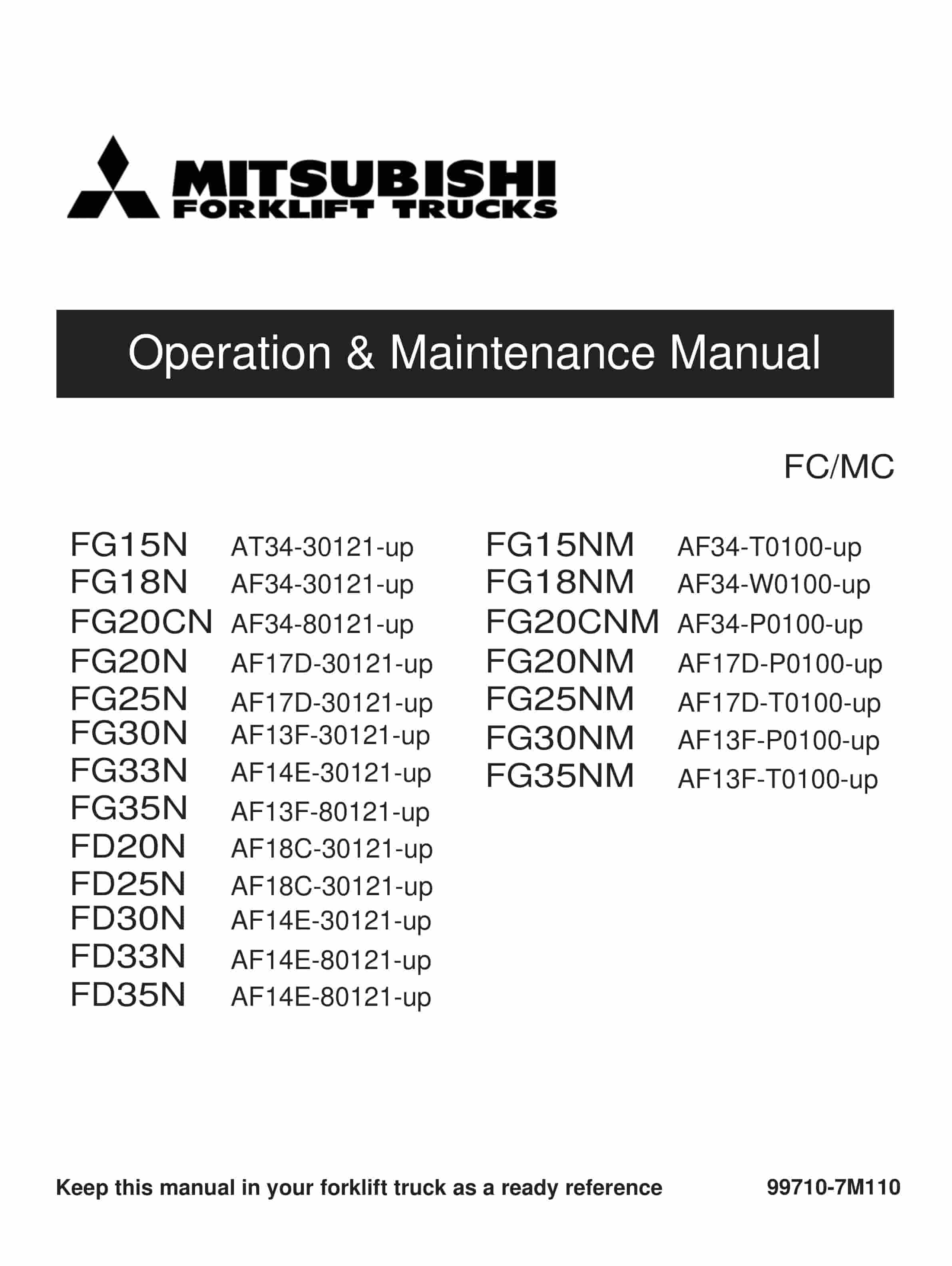

Mitsubishi FG15N-35NM, FD20N-35N Operation and Maintenance Manual 99710-7M110
$30.00
- Type Of Manual: Operation and Maintenance Manual
- Manual ID: 99710-7M110
- Number of Pages: 263
- Size: 20.9MB
- Format: PDF
Product details
-
Model List:
- FG15N, FG15NM, FG18N, FG18NM, FG20CN, FG20CNM, FG20N, FG20NM, FG25N, FG25NM, FG30N, FG30NM, FG33N, FG35N, FG35NM, FD20N, FD25N, FD30N, FD33N, FD35N
- 1. _VOL1_FG15N_OMM_2014-07E1_MIT_52442
- 1.1. FOREWORD
- 1.2. HOW TO USE THIS MANUAL
- 1.2.1. Truck Models Covered in This Manual
- 1.3. CHAPTER INDEX
- 1.4. TABLE OF CONTENTS
- 1.5. SAFETY RULES FOR LIFT TRUCK OPERATORS
- 1.5.1. General
- 1.5.2. Warning Decals, Location
- 1.5.3. Decals for Dual Fuel Only
- 1.5.4. Warning Decals, Description
- 1.5.5. Safety Rules
- 1.5.6. Operating Precautions
- 1.5.7. Working Precautions
- 1.5.8. LP-Gas
- 1.6. KNOW YOUR LIFT TRUCK
- 1.6.1. Serial Number and Capacity Plate
- 1.6.2. Electrical Components
- 1.6.3. Model View
- 1.6.4. Driving Switches and Controls
- 1.6.5. Instrument Panel
- 1.6.6. Integrated Presence System
- 1.6.7. Parking Brake Dragging Warning
- 1.6.8. Operating Switches and Controls (MC Model)
- 1.6.9. Operating Switches and Controls (FC Model)
- 1.6.10. Operators Seat
- 1.6.11. Seat Belt
- 1.6.12. Fork Locking Pins
- 1.6.13. Changing Forks
- 1.6.14. Drawbar Pin
- 1.6.15. Assist Grip
- 1.6.16. Engine Hood
- 1.6.17. Hydraulic Tank Oil Level / Filler Hole
- 1.6.18. Fuel Filler
- 1.6.19. Brake Tank Oil Level / Air Breather
- 1.7. HOW TO AVOID A TIPOVER HOW TO SURVIVE ONE
- 1.7.1. Know What Lift Truck Stability Is
- 1.7.2. Center of Gravity (CG)
- 1.7.3. Stability and Center of Gravity (Top View)
- 1.7.4. Stability and Center of Gravity (Side View)
- 1.7.5. Lift Truck Stability Base
- 1.7.6. Capacity (Weight and Load Center)
- 1.7.7. Capacity Plate
- 1.7.8. Dos and Donts to Avoid Tipover
- 1.7.9. How to Survive in a Tipover
- 1.8. REFUELING
- 1.8.1. Gasoline and Diesel Engine Equipped
- 1.8.2. LP-Gas Engine Equipped
- 1.9. OPERATION
- 1.9.1. New Lift Truck Break-in
- 1.9.2. Before Starting Engine
- 1.9.3. Starting Gasoline Engine
- 1.9.4. Starting LP-Gas Engine
- 1.9.5. Starting Diesel Engine
- 1.9.6. Engine Wont Start
- 1.9.7. After Starting Engine
- 1.9.8. Before Moving Lift Truck
- 1.9.9. Lift Truck Operation
- 1.9.10. Stopping Lift Truck
- 1.9.11. Parking Lift Truck (After Stopping)
- 1.9.12. Leaving Lift Truck (FC Model)
- 1.10. OPERATING TECHNIQUES
- 1.10.1. Stacking Methods
- 1.10.2. Handling Loads Safely
- 1.10.3. Correct Operating Steps
- 1.10.4. Incorrect Operating Steps
- 1.10.5. Inching Into and Lifting the Load
- 1.10.6. Traveling With the Load
- 1.10.7. Unloading
- 1.10.8. Working on Grades
- 1.11. STORING THE LIFT TRUCK
- 1.11.1. End of Each Shift Storage
- 1.11.2. Long Term Storage
- 1.12. TRANSPORTATION HINTS
- 1.12.1. Lift Truck Loading and Shipping
- 1.12.2. Lift Truck Lifting and Tiedown Information
- 1.13. SPECIAL SITUATIONS
- 1.13.1. Care in Cold Weather
- 1.13.2. Care in Hot Weather
- 1.13.3. Severe Dust or Lint Conditions
- 1.14. TROUBLESHOOTING
- 1.14.1. Stalled Engine
- 1.14.2. Starting With Jumper Cables
- 1.14.3. If Lamps Wont Glow
- 1.14.4. If the Water Temperature Gauge Shows Red Zone
- 1.14.5. If Torque Converter Oil Temperature Warning Lamp Glows (Powershift)
- 1.14.6. Trouble With the LP-Gas Equipment
- 1.14.7. If the Lift Truck Wont Change Direction
- 1.14.8. If the Lift Truck Wont Move
- 1.14.9. If the Mast and Attachments Stop Moving
- 1.14.10. If the Mast and Attachments Malfunction (FC Model)
- 1.14.11. If a Tire Blew Out
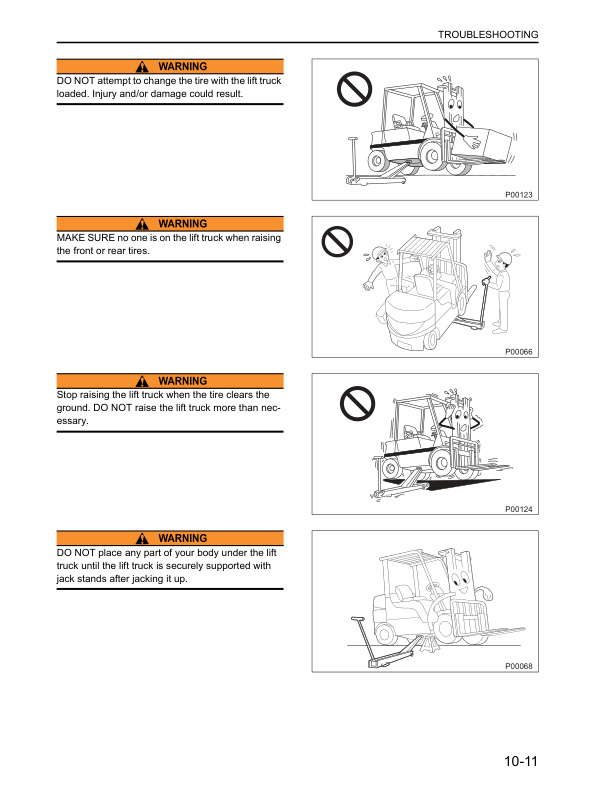
- 1.14.12. Changing Tires
- 1.14.13. Error Codes and Explanations
- 1.15. MAINTENANCE
- 1.15.1. General
- 1.15.2. Inspection Precautions
- 1.15.3. Maintenance Schedule
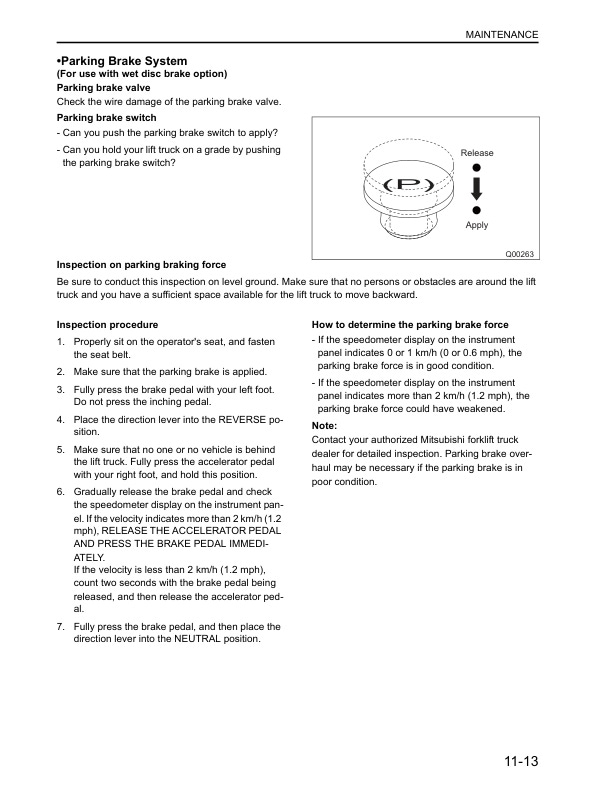
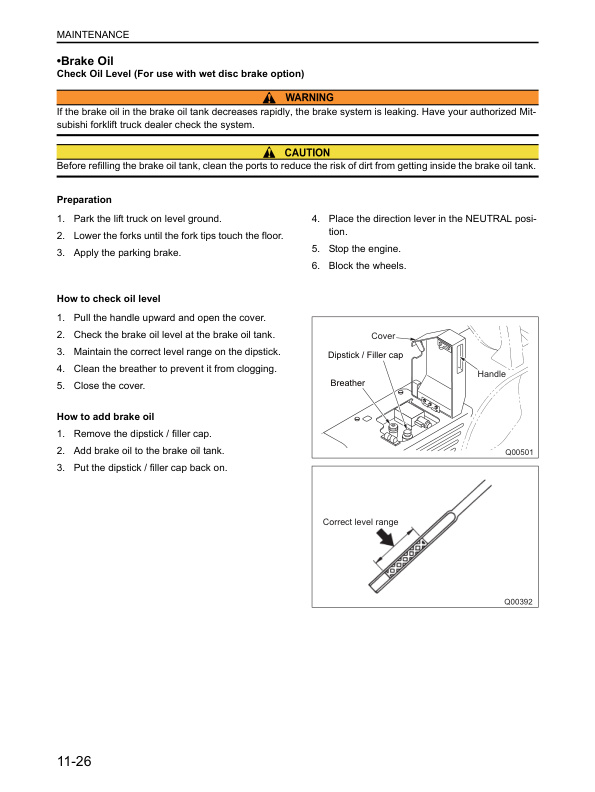
- 1.15.4. Every 10 Service Hours or Daily (Pre-Start), Whichever Comes First
- 1.15.5. Every 50 Service Hours or Weekly, Whichever Comes First
- 1.15.6. One Month (30 days) or 200 Service Hours After Delivery of a New Truck, Whichever Comes First
- 1.15.7. Parts to Be Changed Periodically
- 1.16. SERVICE DATA
- 1.16.1. Fuel Information
- 1.16.2. Coolant Information
- 1.16.3. Recommended Fuels and Oils
- 1.16.4. Specifications (Standard Models)
- 1.16.5. Refill Capacities
- 1.16.6. Capacities and Lift Truck Weight (Standard Models)
- 1.17. TO THE MITSUBISHI FORKLIFT TRUCK OWNER
- 1.17.1. The Importance of Genuine Parts
- 1.17.2. Proper Disposal of Your Lift Truck
- 1.17.3. Instructions for Ordering Parts
- 1.17.4. Service Registration
- 1.18. Back cover
- 1.19. Rear cover
- 2. _VOL2FG15N_OMM_2014-07E1_MIT_50548
- 2.1. FOREWORD
- 2.2. HOW TO USE THIS MANUAL
- 2.2.1. Truck Models Covered in This Manual
- 2.3. CHAPTER INDEX
- 2.4. TABLE OF CONTENTS
- 2.5. SAFETY RULES FOR LIFT TRUCK OPERATORS
- 2.5.1. General
- 2.5.2. Warning Decals, Location
- 2.5.3. Decals for Dual Fuel Only
- 2.5.4. Warning Decals, Description
- 2.5.5. Safety Rules
- 2.5.6. Operating Precautions
- 2.5.7. Working Precautions
- 2.5.8. LP-Gas
- 2.6. KNOW YOUR LIFT TRUCK
- 2.6.1. Serial Number and Capacity Plate
- 2.6.2. Electrical Components
- 2.6.3. Model View
- 2.6.4. Driving Switches and Controls
- 2.6.5. Instrument Panel
- 2.6.6. Integrated Presence System
- 2.6.7. Parking Brake Dragging Warning
- 2.6.8. Operating Switches and Controls (MC Model)
- 2.6.9. Operating Switches and Controls (FC Model)
- 2.6.10. Operators Seat
- 2.6.11. Seat Belt
- 2.6.12. Fork Locking Pins
- 2.6.13. Changing Forks
- 2.6.14. Drawbar Pin
- 2.6.15. Assist Grip
- 2.6.16. Engine Hood
- 2.6.17. Hydraulic Tank Oil Level / Filler Hole
- 2.6.18. Fuel Filler
- 2.6.19. Brake Tank Oil Level / Air Breather
- 2.7. HOW TO AVOID A TIPOVER HOW TO SURVIVE ONE
- 2.7.1. Know What Lift Truck Stability Is
- 2.7.2. Center of Gravity (CG)
- 2.7.3. Stability and Center of Gravity (Top View)
- 2.7.4. Stability and Center of Gravity (Side View)
- 2.7.5. Lift Truck Stability Base
- 2.7.6. Capacity (Weight and Load Center)
- 2.7.7. Capacity Plate
- 2.7.8. Dos and Donts to Avoid Tipover
- 2.7.9. How to Survive in a Tipover
- 2.8. REFUELING
- 2.8.1. Gasoline and Diesel Engine Equipped
- 2.8.2. LP-Gas Engine Equipped
- 2.9. OPERATION
- 2.9.1. New Lift Truck Break-in
- 2.9.2. Before Starting Engine
- 2.9.3. Starting Gasoline Engine
- 2.9.4. Starting LP-Gas Engine
- 2.9.5. Starting Diesel Engine
- 2.9.6. Engine Wont Start
- 2.9.7. After Starting Engine
- 2.9.8. Before Moving Lift Truck
- 2.9.9. Lift Truck Operation
- 2.9.10. Stopping Lift Truck
- 2.9.11. Parking Lift Truck (After Stopping)
- 2.9.12. Leaving Lift Truck (FC Model)
- 2.10. OPERATING TECHNIQUES
- 2.10.1. Stacking Methods
- 2.10.2. Handling Loads Safely
- 2.10.3. Correct Operating Steps
- 2.10.4. Incorrect Operating Steps
- 2.10.5. Inching Into and Lifting the Load
- 2.10.6. Traveling With the Load
- 2.10.7. Unloading
- 2.10.8. Working on Grades
- 2.11. STORING THE LIFT TRUCK
- 2.11.1. End of Each Shift Storage
- 2.11.2. Long Term Storage
- 2.12. TRANSPORTATION HINTS
- 2.12.1. Lift Truck Loading and Shipping
- 2.12.2. Lift Truck Lifting and Tiedown Information
- 2.13. SPECIAL SITUATIONS
- 2.13.1. Care in Cold Weather
- 2.13.2. Care in Hot Weather
- 2.13.3. Severe Dust or Lint Conditions
- 2.14. TROUBLESHOOTING
- 2.14.1. Stalled Engine
- 2.14.2. Starting With Jumper Cables
- 2.14.3. If Lamps Wont Glow
- 2.14.4. If the Water Temperature Gauge Shows Red Zone
- 2.14.5. If Torque Converter Oil Temperature Warning Lamp Glows (Powershift)
- 2.14.6. Trouble With the LP-Gas Equipment
- 2.14.7. If the Lift Truck Wont Change Direction
- 2.14.8. If the Lift Truck Wont Move
- 2.14.9. If the Mast and Attachments Stop Moving
- 2.14.10. If the Mast and Attachments Malfunction (FC Model)
- 2.14.11. If a Tire Blew Out
- 2.14.12. Changing Tires
- 2.14.13. Error Codes and Explanations
- 2.15. MAINTENANCE
- 2.15.1. General
- 2.15.2. Inspection Precautions
- 2.15.3. Maintenance Schedule
- 2.15.4. Every 10 Service Hours or Daily (Pre-Start), Whichever Comes First
- 2.15.5. Every 50 Service Hours or Weekly, Whichever Comes First
- 2.15.6. One Month (30 days) or 200 Service Hours After Delivery of a New Truck, Whichever Comes First
- 2.15.7. Parts to Be Changed Periodically
- 2.16. SERVICE DATA
- 2.16.1. Fuel Information
- 2.16.2. Coolant Information
- 2.16.3. Recommended Fuels and Oils
- 2.16.4. Specifications (Standard Models)
- 2.16.5. Refill Capacities
- 2.16.6. Capacities and Lift Truck Weight (Standard Models)
- 2.17. TO THE MITSUBISHI FORKLIFT TRUCK OWNER
- 2.17.1. The Importance of Genuine Parts
- 2.17.2. Proper Disposal of Your Lift Truck
- 2.17.3. Instructions for Ordering Parts
- 2.17.4. Service Registration
- 2.18. Back cover
- 2.19. Rear cover
Related products
-
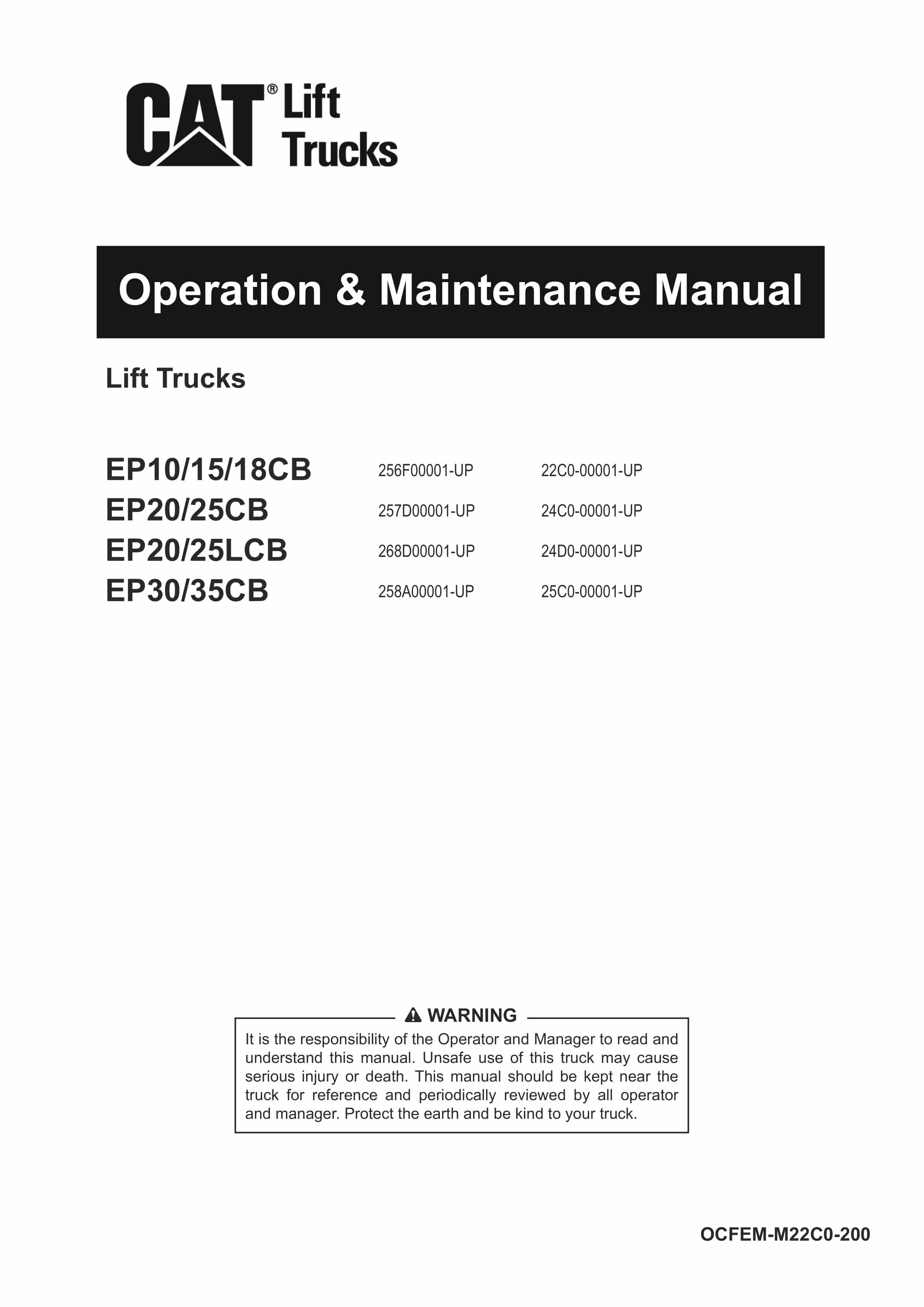
Mitsubishi EP10CB-35CB, EP20-25LCB Lift Trucks Operation and Maintenance Manual OCFEM-M22C0-200
$30.00 Add to cart -
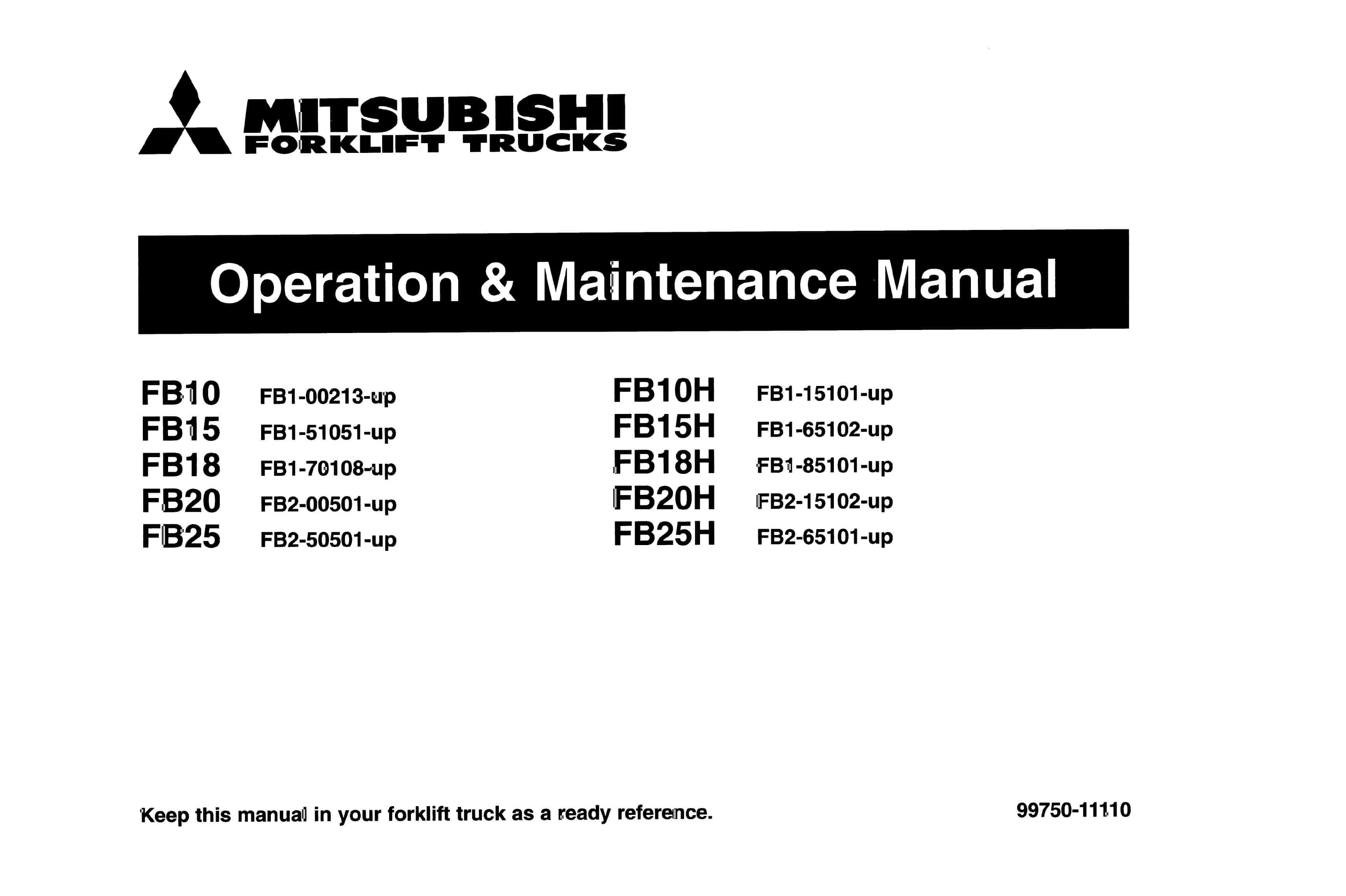
Mitsubishi FB10-25H Operation and Maintenance Manual 99750-11110
$30.00 Add to cart -
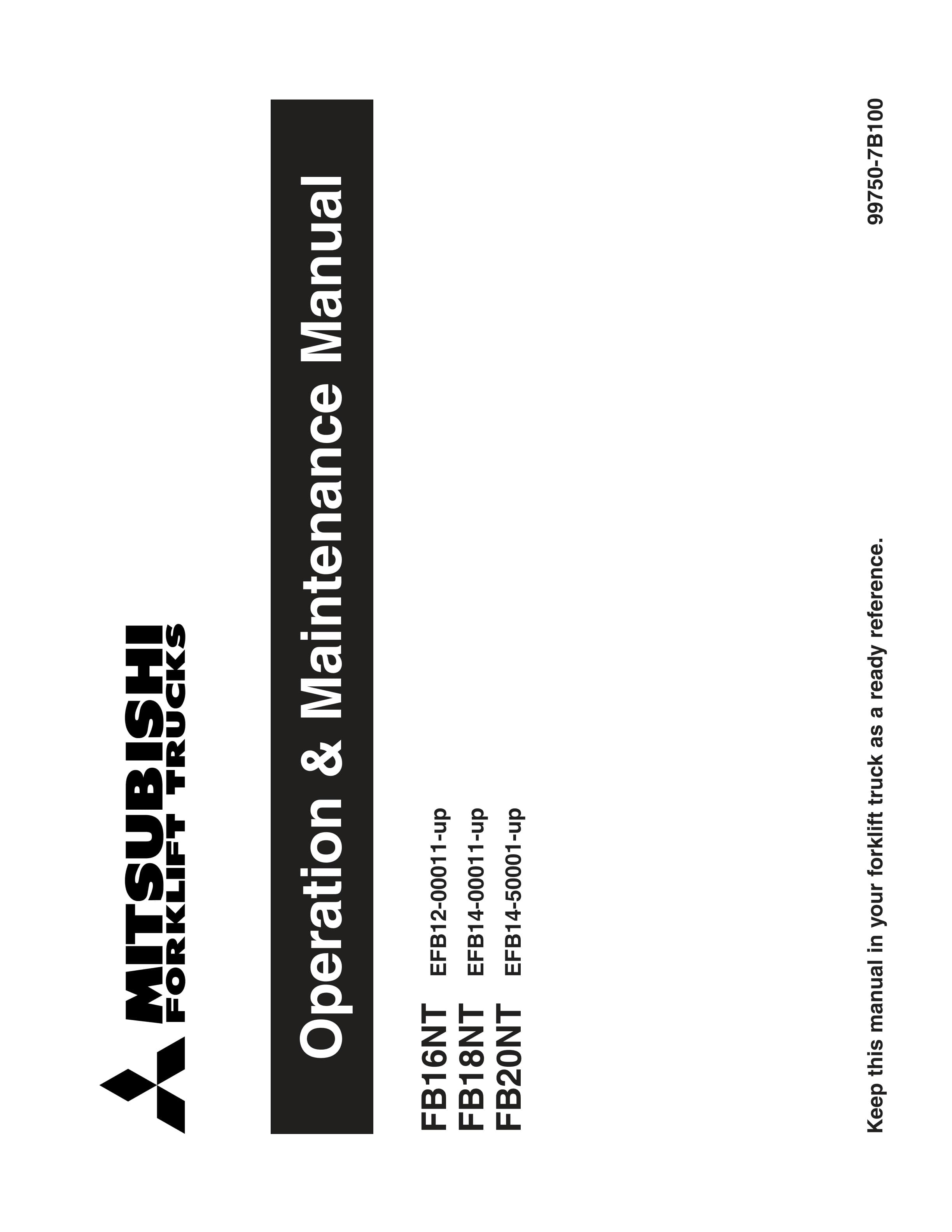
Mitsubishi FB16NT, FB18NT, FB20NT Operation and Maintenance Manual 99750-7B100
$30.00 Add to cart -
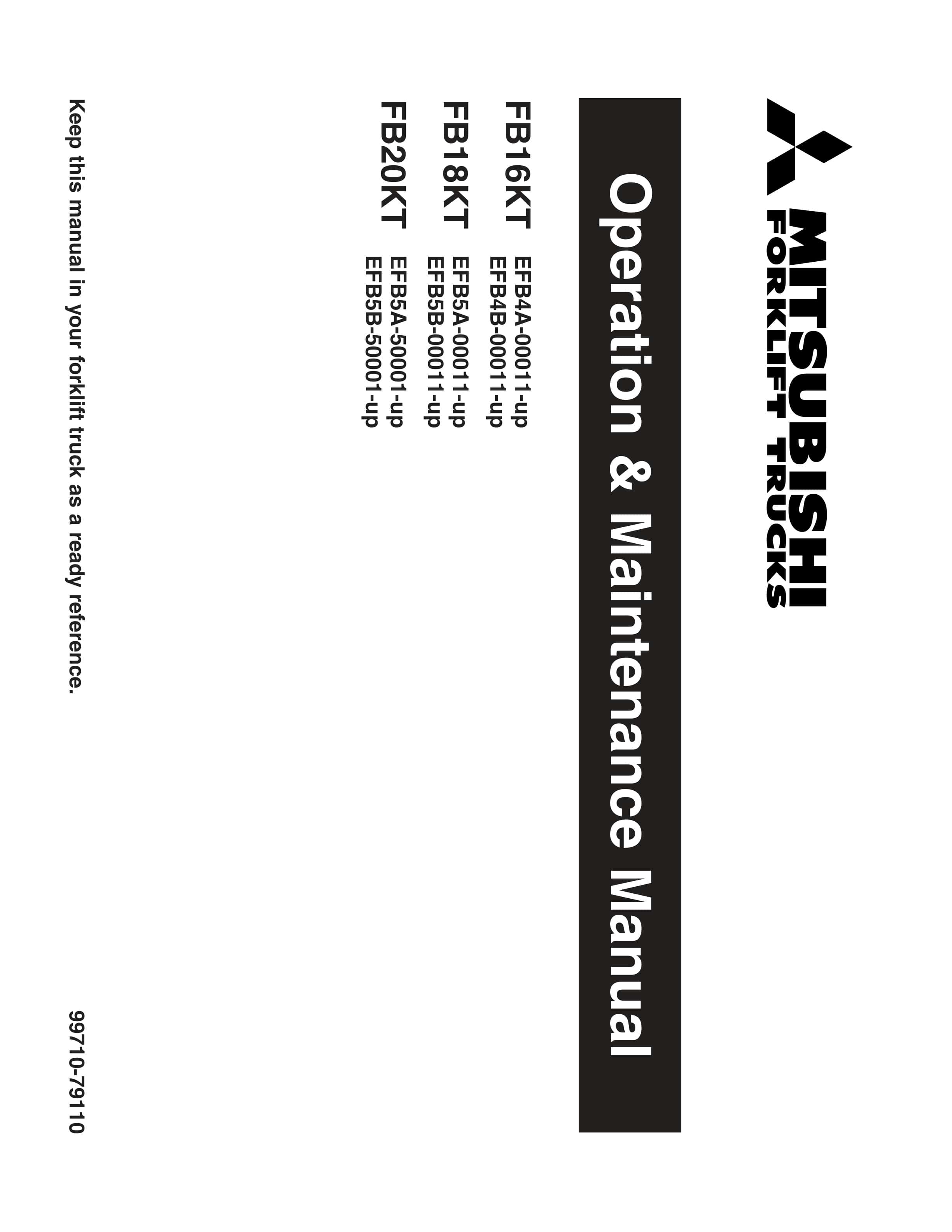
Mitsubishi FB16KT, FB18KT, FB20KT Operation and Maintenance Manual 99710-79110
$30.00 Add to cart -
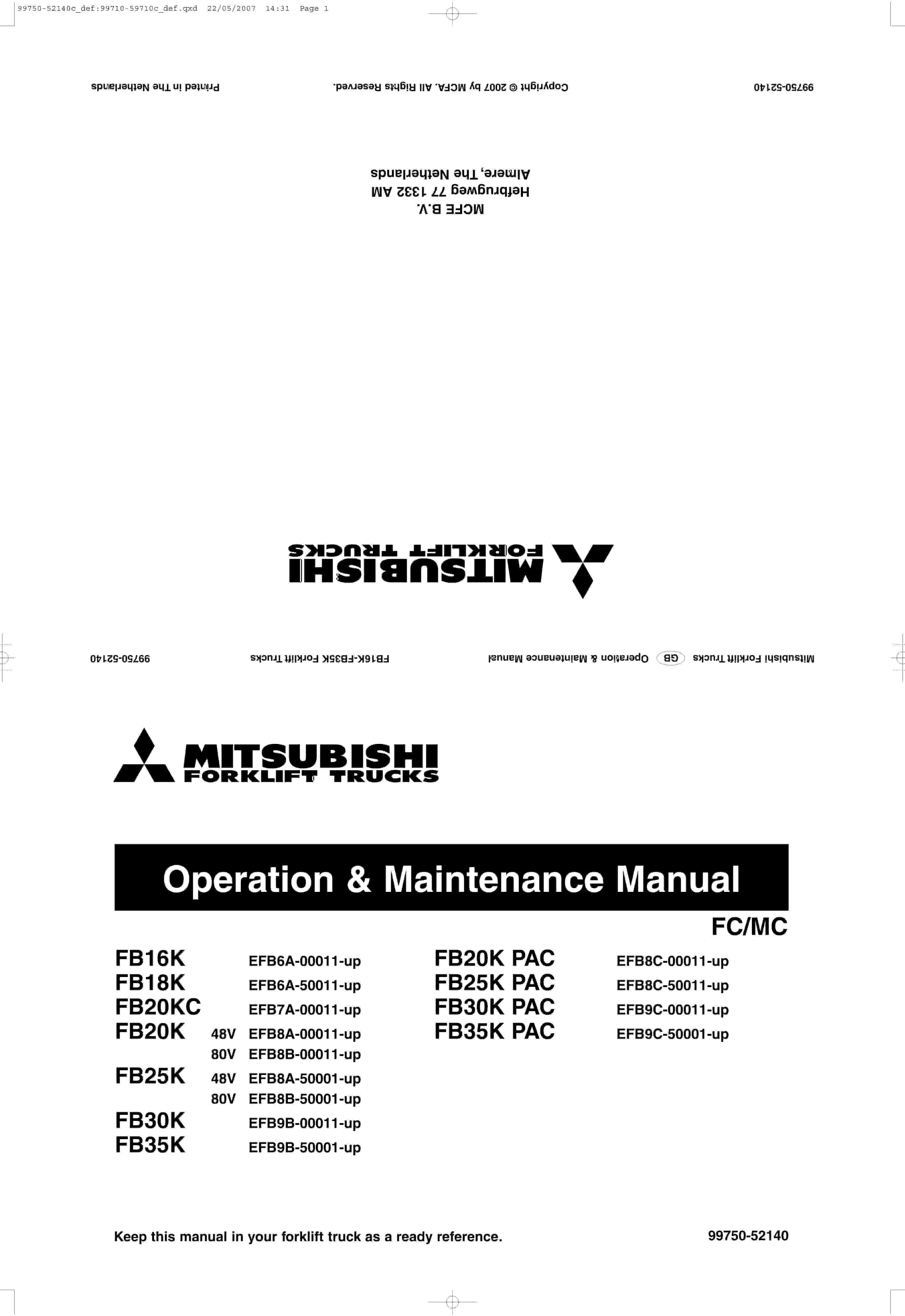
Mitsubishi FB16K to FB35K PAC Operation and Maintenance Manual 99750-52140
$30.00 Add to cart


